








RN-led programsZero upfront costYou bill under your own NPI
ccm@continuumcaremanagement.com

No patient slips through the cracks.

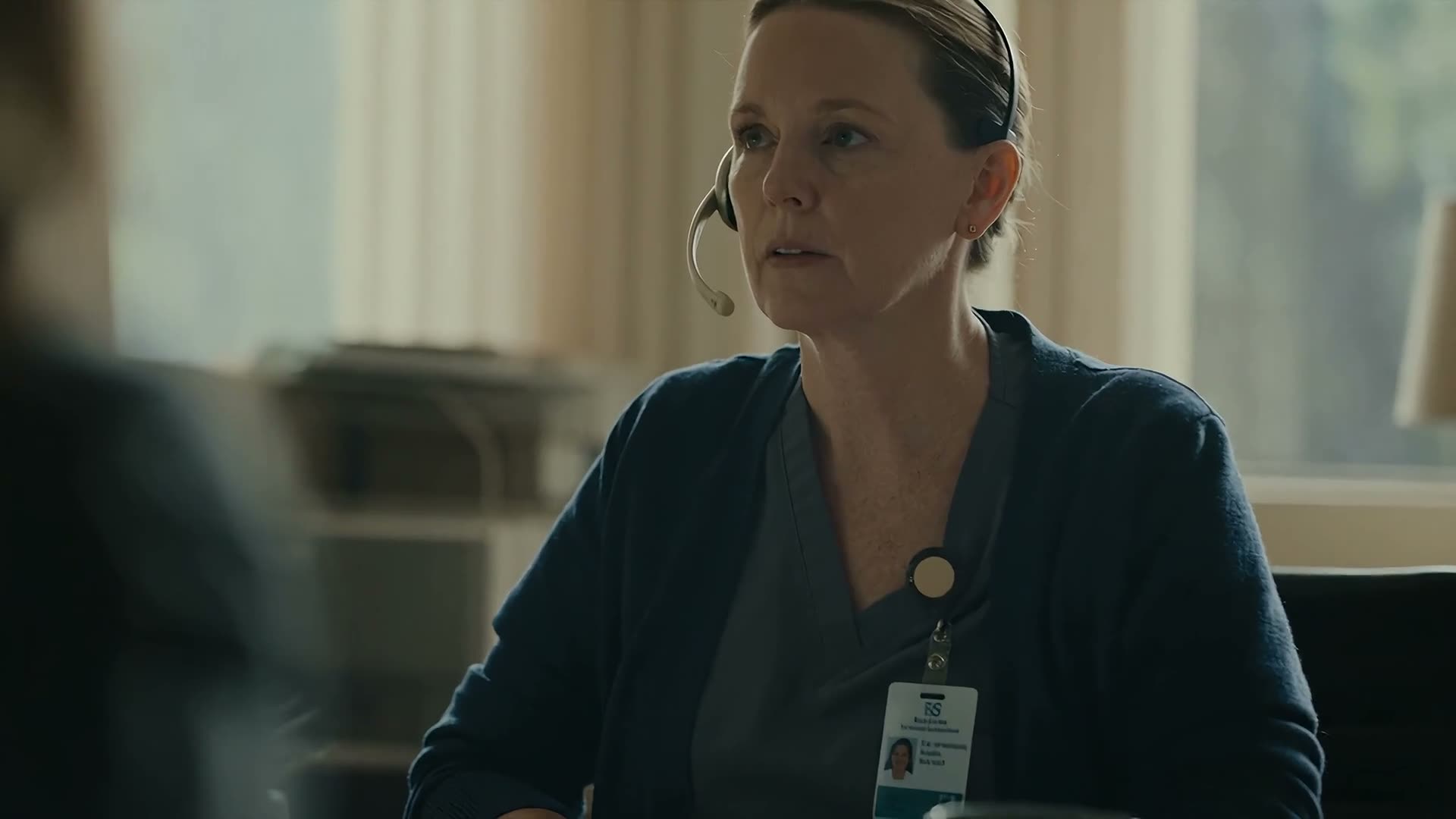
Our RNs care for your Medicare patients between visits. Your practice earns more. Your staff adds zero work.

  • 40%target active enrollment rate
  • $151Kprojected yearly net at 800 patients
  • 0added staff or software
  • 100%US-based, locally licensed RNs

How Continuum works

Under a minute, sound on.

What's your active patient volume?

Slide to your number of active patients. Projections use standard benchmarks: 90% Medicare eligibility and a 40% active enrollment rate, at about $43.80 net per enrolled patient per month for a typical patient mix.

Net monthly$12,614
Net annual$151,368
800 active patients720 likely eligible288 enrolled with our RNsEach dot is 10 patients.

Estimates only, from the CMS 2026 fee schedule and Continuum's fees. Your numbers depend on your patients and the care delivered each month.

Get your practice snapshot

Four quick questions, and you'll get a one-page revenue snapshot for your practice that you can print, save, or send with your meeting request.

How many patients have 2+ chronic conditions?
Programs you run today

Resources & research

Research and plain-English guides on care management, from CMS, the OIG, and the published evidence.

All programs

CCM · For patients with 2+ chronic conditions

Chronic Care Management

Non-face-to-face care coordination for patients with two or more chronic conditions expected to last 12+ months. Our RNs deliver monthly monitoring and peer-to-peer triage.

Each enrolled patient gets a care plan built around all of their conditions, and a nurse who calls every month. On the call, the nurse reviews medications and symptoms, checks progress against the plan, and updates it.

Anything the provider needs to see comes back to your practice as a clear clinical note. Your billing team gets a monthly log of the time delivered, so each claim is backed by documentation.

The rules, briefly

  • Patient has 2+ chronic conditions expected to last 12+ months
  • Billable once at least 20 minutes of clinical staff time is delivered in a month (99490), with more 20-minute blocks under 99439
  • Complex CCM (99487/99489) is available for higher-acuity care planning
  • Runs alongside RPM, RTM, and BHI, and with PCM for a different condition

Billing codes

CPT 99490CPT 99439CPT 99487CPT 99489

The Annual Wellness Visit is the natural moment to enroll patients in CCM. About two-thirds of Medicare patients have two or more chronic conditions, according to CDC and CMS data.

All programs

RPM · For patients needing ongoing vital tracking

Remote Patient Monitoring

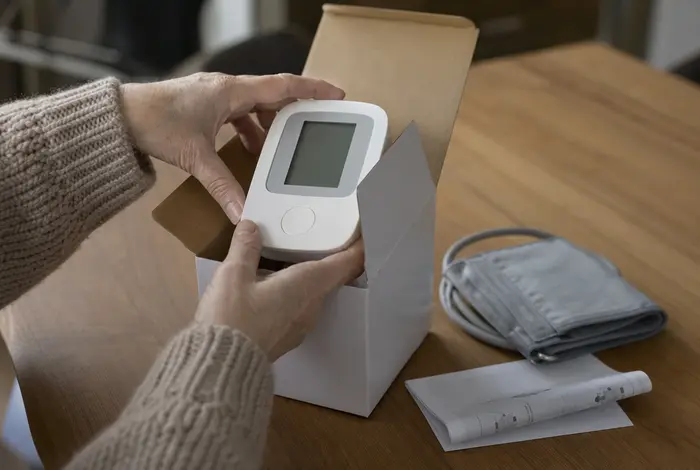
Ongoing blood pressure, glucose, and weight readings from FDA-cleared cellular devices. No Wi-Fi, Bluetooth, or app pairing for the patient.

The patient gets a cellular blood pressure cuff, glucose meter, or scale that sends each reading on its own. There is no Wi-Fi, Bluetooth, or app to set up, which matters for older patients.

Our nurses review readings every day and follow up when one is out of range. Each month we document the three parts Medicare expects for RPM: device setup and education, the readings themselves, and the nurse's treatment management time.

The rules, briefly

  • Cellular, FDA-cleared devices ship straight to the patient
  • Device setup is billed once per device (99453); data supply is billed under the 16-day rule (99454) or the new 2026 2-day rule (99445)
  • Clinical time is billed at a 10-minute light-touch threshold (99470) or the 20-minute standard threshold (99457), with 20-minute add-ons (99458)
  • Runs alongside CCM, PCM, or RTM

Billing codes

CPT 99453CPT 99454CPT 99445CPT 99457CPT 99470CPT 99458

RPM is a natural follow-on after an Annual Wellness Visit flags a patient managing a chronic condition day to day.

All programs

PCM · For one chronic condition lasting 3+ months

Principal Care Management

Focused monthly management of a single chronic condition expected to last at least 3 months, a lower bar than CCM's two-condition, 12-month rule.

PCM is for a patient whose care is driven by one serious condition, such as uncontrolled diabetes or heart failure, who does not yet meet CCM's two-condition rule.

The nurse focuses the monthly calls on that one condition: medication adherence, symptoms, and the steps in the care plan. If the patient later qualifies for CCM, they can move over.

The rules, briefly

  • Targets one condition with significant risk of decline
  • Billable at a 30-minute monthly threshold (clinical staff 99426/99427, provider 99424/99425)
  • Not billed with CCM by the same provider in the same month
  • Pairs with RPM or BHI when each program's time is met separately

Billing codes

CPT 99424CPT 99425CPT 99426CPT 99427

PCM's lower bar makes it an easy next step for patients an Annual Wellness Visit flags before they qualify for full CCM.

All programs

RTM · For musculoskeletal, respiratory, and therapy follow-through

Remote Therapeutic Monitoring

Tracks non-physiological data, like pain, mobility, and therapy adherence, for musculoskeletal and respiratory conditions and cognitive behavioral therapy.

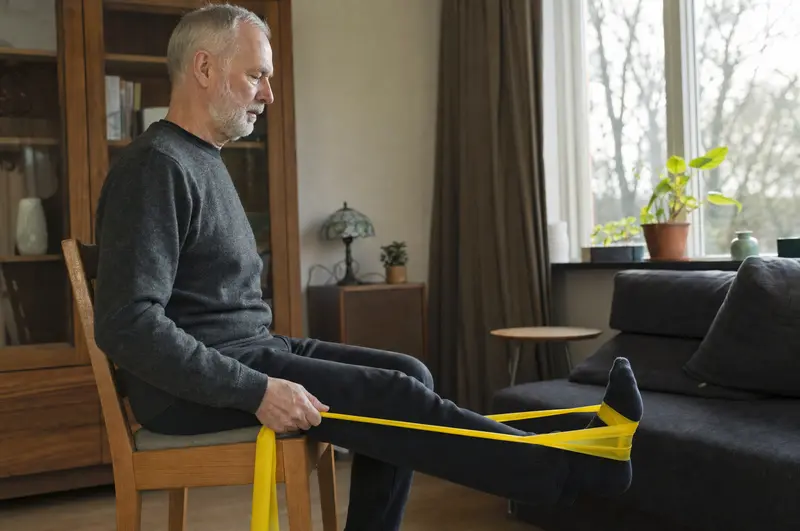
RTM tracks what a vital sign can't: pain, range of motion, and whether the patient is keeping up with exercises, breathing treatments, or medications.

Patients log their progress, and our nurses review it and check in, so therapy plans are followed between visits instead of only discussed at them.

The rules, briefly

  • Covers what RPM doesn't: pain, range of motion, medication or exercise adherence
  • One-time setup and education per episode of care (98975)
  • Monthly device supply by system: respiratory (98976), musculoskeletal (98977), or CBT (98978)
  • Treatment management time under 98980 and 98981
  • Runs alongside CCM, PCM, and BHI, but not in the same period as RPM

Billing codes

CPT 98975CPT 98976CPT 98977CPT 98978CPT 98980CPT 98981

RTM often starts alongside CCM or PCM once a care plan calls for musculoskeletal or respiratory tracking.

All programs

BHI · For patients managing a behavioral health condition

Behavioral Health Integration

Monthly care coordination for a behavioral health condition, built into the patient's primary care plan: screening, monitoring, and follow-up with their existing care team.

Depression, anxiety, and other behavioral health conditions often show up first in primary care. BHI lets the practice manage them inside the patient's existing care plan, with no outside referral maze.

Our nurses check in monthly, track screening scores and symptoms over time, and flag changes to the provider, so behavioral health is followed as closely as blood pressure.

The rules, briefly

  • Covers assessment, care plan creation, and coordination of behavioral health treatment
  • Billable once at least 20 minutes is delivered per patient per month, under one CPT code
  • Can be billed with CCM, PCM, or RTM
  • Needs at least one mental, behavioral health, or substance use condition identified by the billing practitioner

Billing codes

CPT 99484

Behavioral health risk often first shows up in an Annual Wellness Visit screening. Pairing it with BHI, alongside CCM, supports a collaborative care model.

All resources

The patients

Two-thirds of Medicare patients live with two or more chronic conditions

Most of a primary care practice's Medicare panel is managing more than one long-term condition. A CDC analysis of about 31 million fee-for-service Medicare beneficiaries found that 68 percent had two or more chronic conditions, and more than a third had four or more. CMS's own chronic conditions data put the share at 69 percent in 2017.

That group drives nearly all Medicare spending. In the same CDC analysis, beneficiaries with two or more chronic conditions accounted for 93 percent of it.

68%
had two or more chronic conditions (CDC, 2010 data)
36%
had four or more
93%
of Medicare spending went to patients with two or more

These are the patients CCM was designed for, and the ones whose problems are easiest to catch early between visits.

SourcesCDC, Preventing Chronic Disease (2013)Lochner and Cox, Medicare multiple chronic conditions (PMC)

All resources

The evidence

What CMS found when it studied chronic care management

A few years after Medicare began paying for CCM, the CMS Innovation Center had Mathematica evaluate it using complete Medicare claims from 2014 to 2016, comparing patients who received CCM with similar patients who did not.

Medicare spending for CCM patients fell by about $74 per patient per month over 18 months. Most of the savings came from fewer inpatient stays and less post-acute care, even as payments to physicians went up. CCM patients also had fewer hospital admissions for diabetes, COPD, urinary tract infections, and pneumonia.

~$74
lower Medicare spending per patient per month, 18 months in
4
conditions with significantly fewer admissions: diabetes, COPD, UTI, pneumonia

Uptake was the weak spot: by the end of 2016, about 684,000 patients had received CCM, out of roughly 35 million who were eligible. Summaries of the evaluation report the 18-month figure as $72 to $74.

SourcesPYA, CCM white paper summarizing the CMS evaluation (2018)MGMA, Chronic care management

All resources

Compliance

What the OIG found in Medicare remote patient monitoring

In September 2024, the HHS Office of Inspector General reported on how remote patient monitoring is used in Medicare. Use grew sharply: from about 55,000 enrollees in 2019 to more than 570,000 in 2022, with Medicare payments rising from about $15 million to about $300 million.

The OIG found that about 43 percent of enrollees who received RPM did not receive all three of its components: education and device setup, the device supplying data, and treatment management time with a clinician.

  • The OIG recommended more oversight of who orders RPM and what is monitored
  • Its data reflects what was billed; a component may have been delivered but not billed
  • Practices billing RPM should be able to show all three components for each patient

Continuum documents device setup and education, the days of readings, and nurse treatment time for every patient, every month, so each RPM claim is backed by the record.

SourcesHHS-OIG, OEI-02-23-00260 (Sept. 2024)Texas Medical Association summary

All resources

The rules

Chronic care management requirements, in plain English

CMS sets out what a practice has to do to bill CCM in its Medicare Learning Network booklet. The core of it is short.

  • The patient has two or more chronic conditions expected to last at least 12 months, or until death, that put them at significant risk
  • An initiating visit (an Annual Wellness Visit, Welcome to Medicare visit, or office visit) is required for new patients and those not seen within the past year
  • The patient agrees to CCM, and that consent is documented; they are told about cost sharing and that they can stop at any time
  • There is a comprehensive care plan in the electronic record, shared with the patient
  • The patient can reach someone with access to their record 24 hours a day, with a designated care team member for continuity

Continuum handles the enrollment conversation, consent documentation, care plans, and monthly time logs; your practice keeps billing under its own NPI.

SourcesCMS MLN booklet: Chronic Care Management Services (June 2025)

All resources

For patients

What patients pay for care management

CCM and the other care management programs are Medicare Part B services, so the usual Part B deductible and coinsurance apply. Many patients have supplemental coverage, such as a Medigap plan or Medicaid, that covers some or all of that.

Because cost sharing applies, the patient has to be told about it when they agree to the program, and they can stop at any time. Our nurses cover this in the enrollment call, in plain language, so there are no surprises on a statement.

SourcesMedicare.gov: Chronic care management servicesCMS MLN booklet: Chronic Care Management Services (June 2025)

All resources

Behavioral health

Behavioral health integration, inside primary care

Medicare pays primary care practices to manage behavioral health conditions alongside everything else, without sending every patient out for a referral.

General BHI (CPT 99484) covers at least 20 minutes a month of care management for a mental health, behavioral health, or substance use condition that the billing practitioner is treating. It can be delivered by clinical staff such as nurses under general supervision. For more complex cases, the psychiatric Collaborative Care codes (99492 to 99494) add a behavioral health care manager and a psychiatric consultant.

  • An initiating visit is required for new patients and those not seen within the past year
  • Part B coinsurance applies
  • Time spent on psychotherapy can't also be counted toward BHI time

SourcesAIMS Center (University of Washington), CMS BHI and CoCM quick guide

All resources

For your practice

Annual Wellness Visits: your best enrollment moment

The Annual Wellness Visit is more than a yearly checkbox. It's where preventive care, risk identification, and patient rapport come together, and it sets up better chronic disease management all year.

  • Patients get standards-based preventive care
  • Current and potential health and safety risks are identified
  • Builds patient engagement and rapport
  • Supports higher care-quality performance
$136K+
potential new-service revenue from 500 initial AWVs, based on real-world coding examples
$64K+
potential annual revenue from 500 subsequent AWVs
69%
of fee-for-service Medicare patients had two or more chronic conditions in 2017, per CMS

The AWV, or a timely follow-up, is the ideal moment to introduce PCM, CCM, RPM, RTM, or BHI. That keeps preventive care going year-round and adds a straightforward new revenue line.

All resources

For ACOs and networks

Care management is becoming table stakes for ACOs

CMS's 2026 rules shift from measuring participation to measuring reliability: tighter benchmarks, continuous quality monitoring, and far less tolerance for variation in how care gets delivered.

  • Centralizing CCM, RPM, PCM, RTM, and BHI supports the consistent patient record CMS expects
  • Reaching rising-risk patients early is where avoidable costs are prevented
  • Standardized enrollment and documentation reduce site-to-site variation
40–50%
enrollment reported by organizations that centralize care coordination

Continuum plugs into your ACO's care management strategy with RN-led enrollment and monthly monitoring, standardized and audit-ready across every practice in your network.

Built by nurses, for independent practices

Healthcare shouldn't start when a patient walks through the emergency room doors. It should start at home, in the weeks and months before they'd ever need to be seen. Continuum catches patients before they slip through the cracks.

  • Locally licensed RNs, never an overseas, non-clinical call center
  • Zero staff burden: your team's workflow doesn't change
  • Fair market value fees, with no upfront hardware or setup costs

Meet the team

The nurses behind every program.

Jake Garcia, RN, BSN, CEN

Co-founder and Chief Executive Officer

A Pennsylvania-licensed registered nurse with a background in emergency medicine, critical care, and patient triage. Seeing the financial and operational strain on independent clinics, Jake co-founded Continuum to pair modern healthcare software with skilled clinical labor. He oversees daily monitoring protocols, EHR integrations, and CMS compliance for partner practices.

Lisa A. Garcia, BSN, RN-BC, NE-BC

Co-founder and Director of Clinical Operations

With over 20 years of clinical and leadership experience in nursing, Lisa brings deep patient-facing expertise to Continuum. A board-certified Nurse Executive and Gerontological Nurse, she has presented nationally on fall prevention, delirium, and patient safety. She makes sure every patient interaction meets the highest standard of care, acting as a trusted liaison between patient and physician.

Good questions

Don’t see yours? Email ccm@continuumcaremanagement.com.

What is the difference between RPM and CCM?

RPM collects and reviews readings like blood pressure, glucose, and weight from FDA-cleared cellular devices. CCM is non-face-to-face care coordination for patients with two or more chronic conditions. Both are separate Medicare-reimbursed services, and running them together gives patients a safety net and your practice two revenue streams.

Who is eligible for these programs?

Medicare Part B and many Medicare Advantage beneficiaries. For CCM, patients need two or more chronic conditions expected to last 12+ months. For RPM, patients need ongoing vital sign tracking for an acute or chronic condition.

How much extra work does this create for our staff?

None. Our RNs handle outreach, onboarding, device setup, daily monitoring, and monthly coordination calls. Your team keeps its normal workflow.

Who bills Medicare, and how do we get paid?

Your practice bills Medicare directly under your own NPI. Each month, Continuum gives you a clean, audit-ready log of the CPT codes achieved per patient. You collect the reimbursement, pay our fair-market-value fee, and keep the net profit.

What are the upfront costs?

None for hardware or setup. Continuum supplies the cellular devices directly to eligible patients and works on a fair-market-value, fee-for-service model.

Are you HIPAA compliant?

Yes. We follow HIPAA and sign a business associate agreement (BAA) with every partner practice.

How do you stay CMS compliant and audit ready?

Our system tracks and time-stamps every minute of chart review, phone coordination, and reading review, so every claim has complete documentation behind it.

Schedule your introduction

A short, zero-pressure conversation about your Medicare patient volume, your EHR, and fit.

Prefer email?

ccm@continuumcaremanagement.com

Hours
Meetings by appointment
Based in
Pennsylvania
Schedule a meetingEmail